
The Sound Before Sight Method
Helping students play what they hear—and love what they play.
At Sound Before Sight Studios, students do more than learn how to reproduce songs. They learn how music works.
Through listening, rhythm, practical theory, patterns, creativity, and collaborative playing, students develop the skills to understand music, adapt it, and express it with confidence.
We begin with sound because music is first something we hear, feel, and experience. Visual tools—including chord charts, lead sheets, Nashville Numbers, and traditional notation—are introduced when they support the student’s goals and learning style.
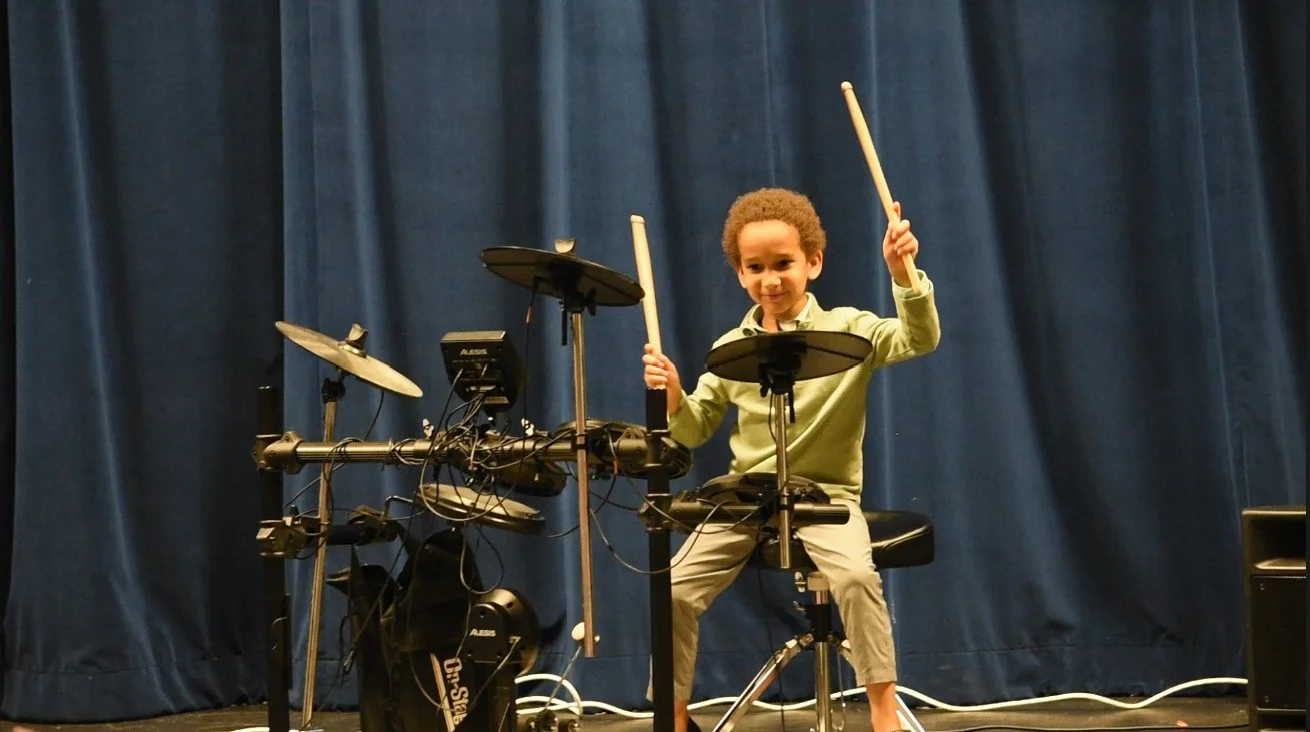
The SBS Method at a Glance
Learn Through Sound
Students develop their ears by listening, imitating, recognizing patterns, and finding musical ideas on their instrument.
Understand How Music Works
Students learn practical theory, including scales, chords, keys, rhythm, intervals, progressions, inversions, and song structure.
Play With Others
Jam sessions, workshops, recitals, and collaborative activities help students learn to listen, keep time, adjust, recover, and contribute.
Recognize Transferable Patterns
Instead of memorizing every song as an isolated set of instructions, students learn musical patterns they can apply across songs, styles, and keys.
Create & Improvise
Students are encouraged to experiment, make musical choices, improvise, and develop their own ideas.
Use the Right Visual Tools
Depending on the student, instruction may include Nashville Numbers, chord charts, lead sheets, fake books, simplified notation, or traditional staff notation.
Why Sound Before Sight?
Most music students begin with a page of notes in front of them.
At Sound Before Sight Studios, we begin with sound.
We believe music makes the most sense when students first experience it as something they can hear, feel, understand, and create—not simply something they decode from a page.
Children learn to speak before they learn to read. They listen, imitate, experiment, recognize patterns, and gradually develop fluency. Reading later gives them another way to organize and communicate what they already understand.
Music can develop in a similar way.
Before interpreting symbols on a staff, students can learn to:
Feel and maintain a steady beat
Recognize whether notes move up or down
Hear chord changes
Identify musical patterns
Follow the structure of a song
Imitate rhythms and melodies
Express musical ideas
Play with other musicians
These are not extra skills.
They are the foundation of musicianship.
Music notation can be valuable, but notation is not music itself. It is one visual system for representing music. The sound, structure, movement, relationships, and expression exist whether or not they have been written on a page.
At SBS, we begin with the music and introduce visual tools when those tools serve the student.
Developing Musicians, Not Just Teaching Songs
A student can learn to perform a piece without fully understanding the music.
They may know which keys to press or which notes to play, but not know:
What key the song is in
Which chords are being used
Why the chords work together
How the melody relates to the harmony
How to move the song into another key
What to do if they lose their place
How to join another musician
How to create something new using the same ideas
At SBS, learning a song is not the final goal. Songs become vehicles for developing broader musical understanding.
We want students to experience success early, but we also want that success to transfer. The skills learned in one song should help the student approach the next song with greater independence.
Instead of asking only, “Can the student perform this piece?” we also ask:
Can the student hear where the melody is going?
Can the student feel and maintain the beat?
Can the student recognize the chord pattern?
Can the student explain how the music is structured?
Can the student adapt when something unexpected happens?
Can the student play with others?
Can the student use what was learned in another musical setting?
This is how students begin to move from playing songs to becoming musicians.
The Foundations of the SBS Method
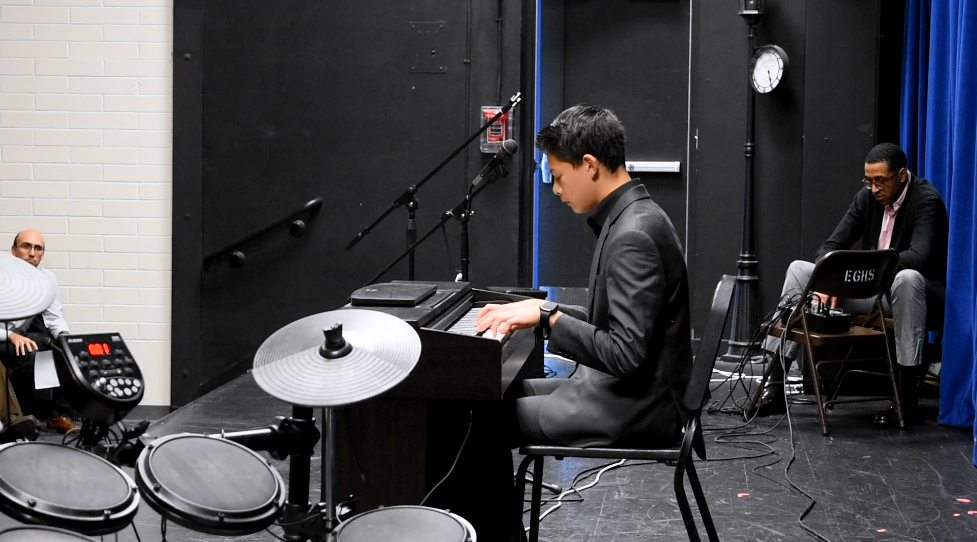
Ear Training
Students learn to listen carefully and recognize musical relationships.
They may practice hearing whether notes move up, down, or remain the same. They learn to identify melodic shapes, chord progressions, rhythms, tonal centers, and familiar song structures.
Ear training develops through:
Imitation
Call-and-response
Guided listening
Finding notes and chords by ear
Singing musical ideas
Improvisation
Comparing sounds
Learning familiar songs
The goal is not necessarily perfect pitch or instant mastery.
The goal is musical awareness—the ability to listen actively and respond intentionally.
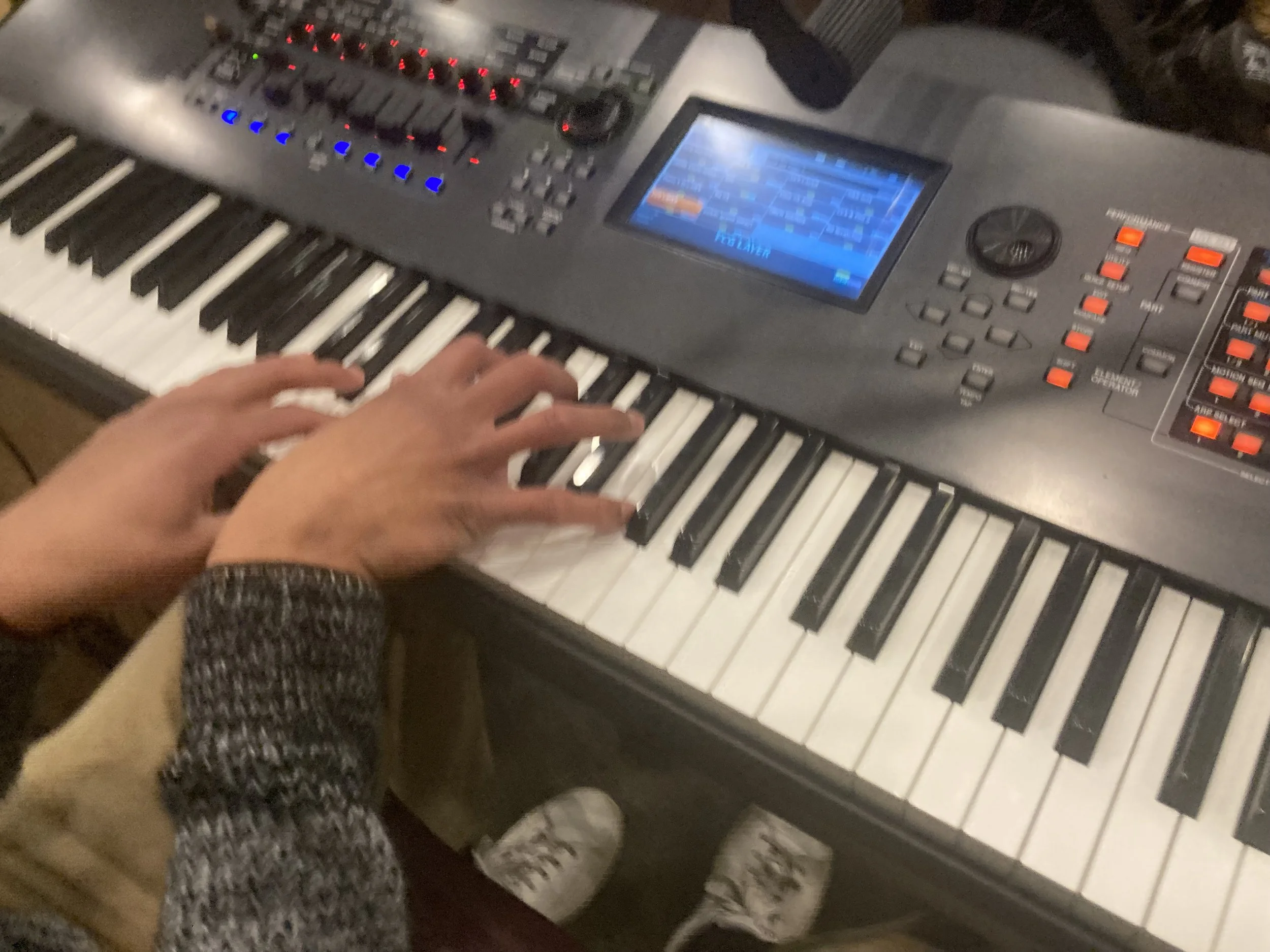
Patterns & Chord Progressions
Much of the music students enjoy is built from recurring patterns.
Students who learn to recognize these patterns can play meaningful music sooner and transfer what they learn from one song to another.
One important SBS tool is the Nashville Number System. It helps students understand chords according to their function within a key rather than relying only on letter names.
For example, a student who recognizes a 1–5–6–4 progression can begin to hear and play that same harmonic movement in multiple songs and keys.
This helps students move from memorizing individual songs to recognizing the relationships those songs share.
That shift creates greater independence and flexibility.
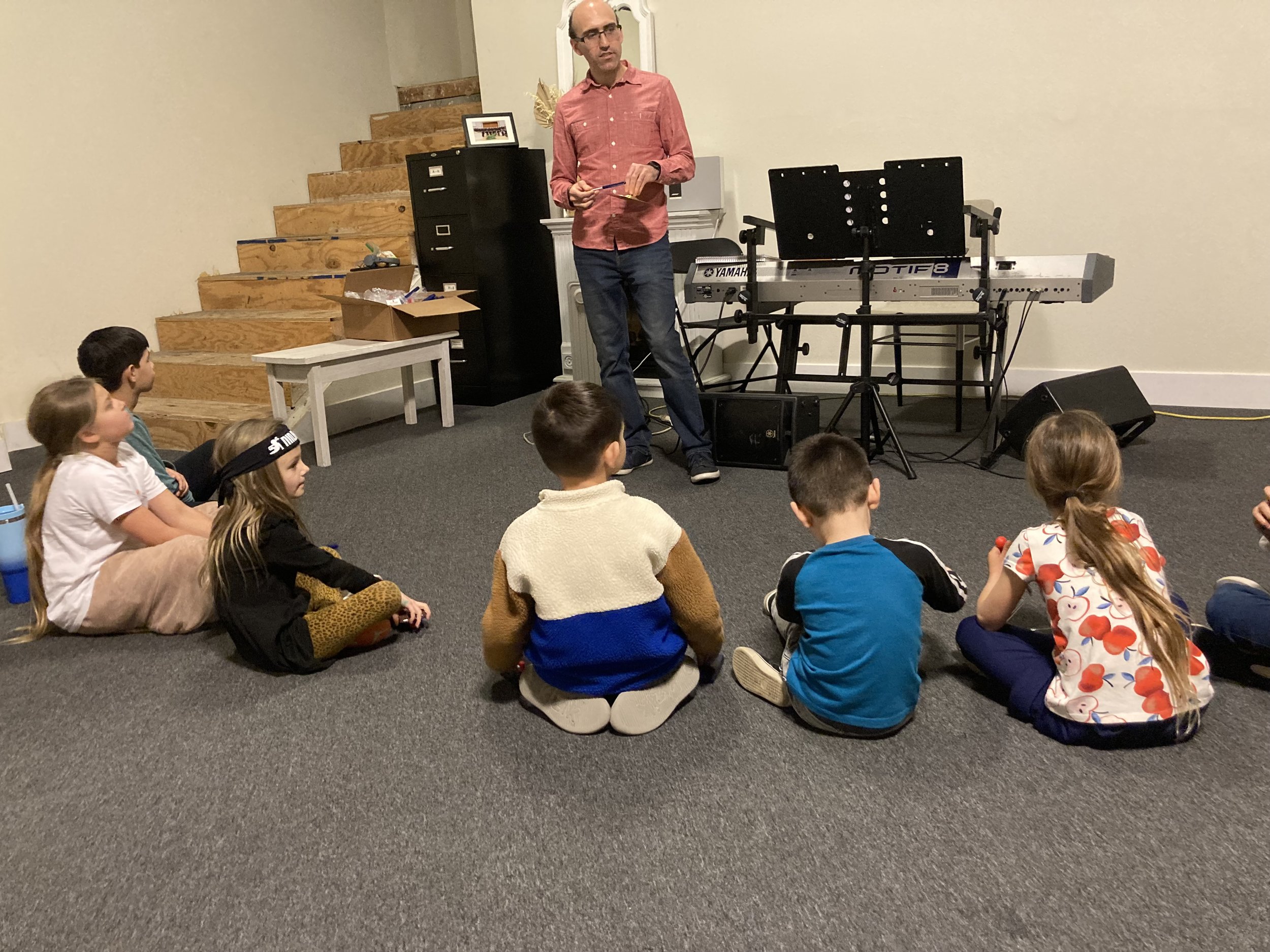
Rhythm and Feel
Music lives in time.
Students need more than the correct notes. They need to feel the beat, understand subdivisions, maintain a pulse, and learn how to settle into a groove.
Depending on the instrument and student, rhythm may be developed through:
Clapping and tapping
Counting
Movement
Drumming
Accompaniment patterns
Chord changes
Strumming patterns
Playing along with recordings
Playing with teachers and other students
We want students to learn not only what to play, but how to make it feel musical.
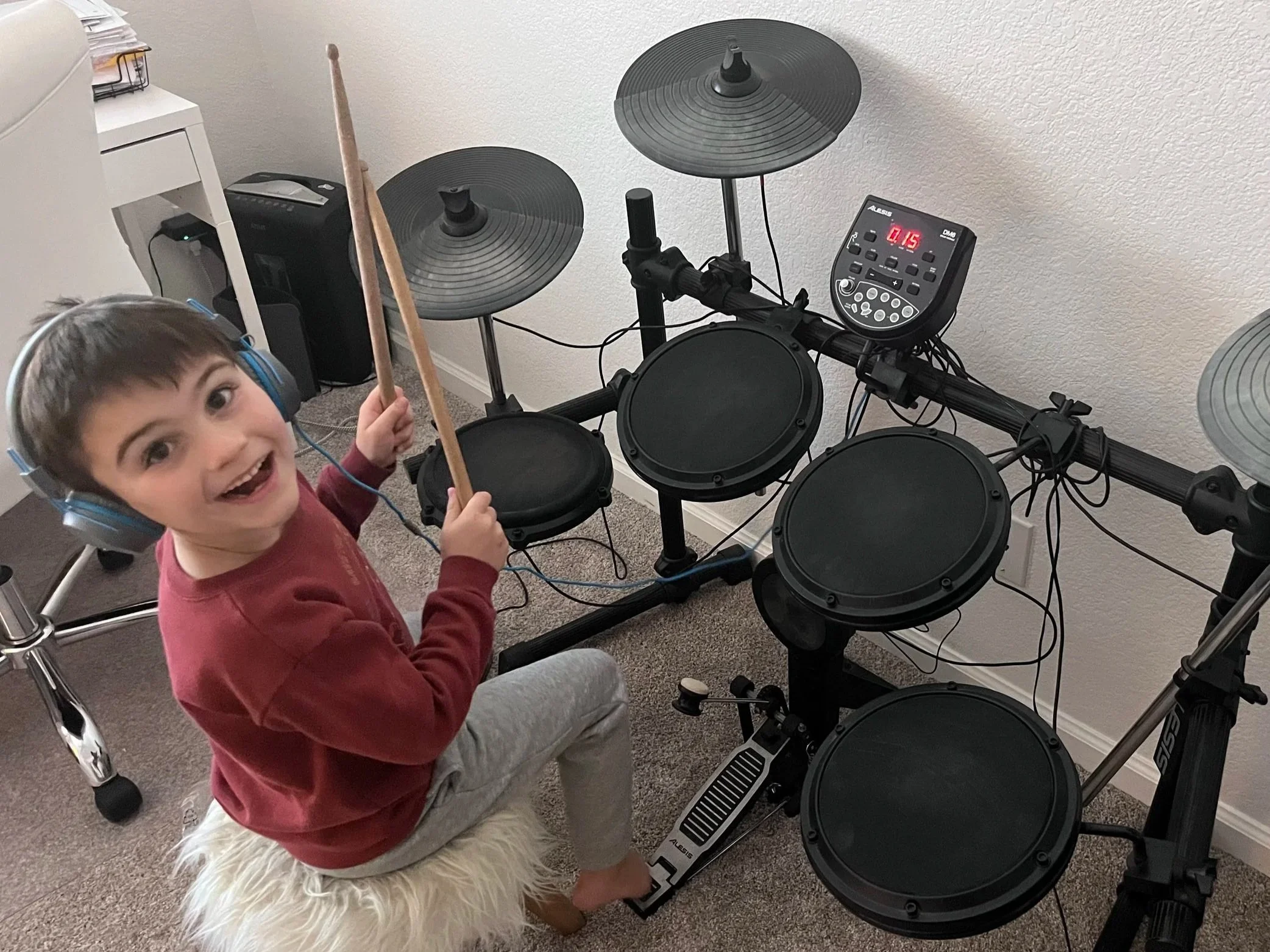
Creativity & Improvisation
Students should not only reproduce music.
They should also learn to create.
Improvisation can begin simply. A student might:
Choose notes from a scale
Repeat and vary a short melodic idea
Create a rhythm
Add harmony
Change an accompaniment pattern
Develop a fill
Create a new ending
Make a variation of a familiar song
Students are encouraged to explore, experiment, listen, revise, and make musical choices.
Creativity develops confidence and ownership. It also deepens theoretical understanding because students learn to use musical ideas rather than only describe them.
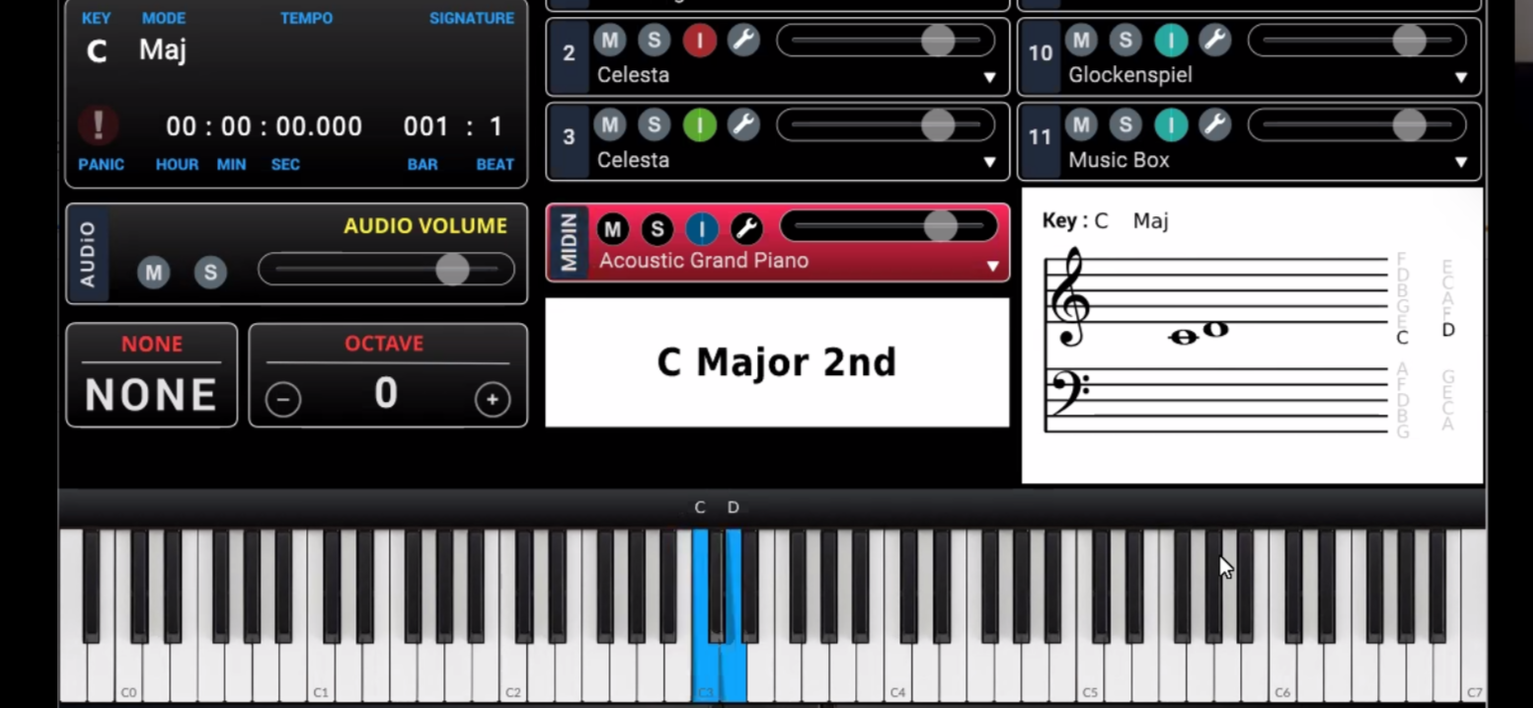
Practical Music Theory
Traditional notation is optional within the SBS method.
Music theory and structure are not.
Students need to understand the language beneath the music they play. Depending on their age, experience, instrument, and goals, students may learn:
Scales
Chords
Keys
Intervals
Chord inversions
Chord functions
Rhythmic subdivisions
Progressions
Song form
Melodic relationships
Transposition
Dynamics and expression
Theory is taught through real music rather than only through worksheets or abstract definitions.
For example, a student learning a C major chord does more than memorize that it contains C, E, and G. The student learns how the chord sounds, how it feels on the instrument, how it functions within a key, how it connects to other chords, and how it can be rearranged or moved into another key.
Students are not simply collecting facts about music.
They are learning how music works.
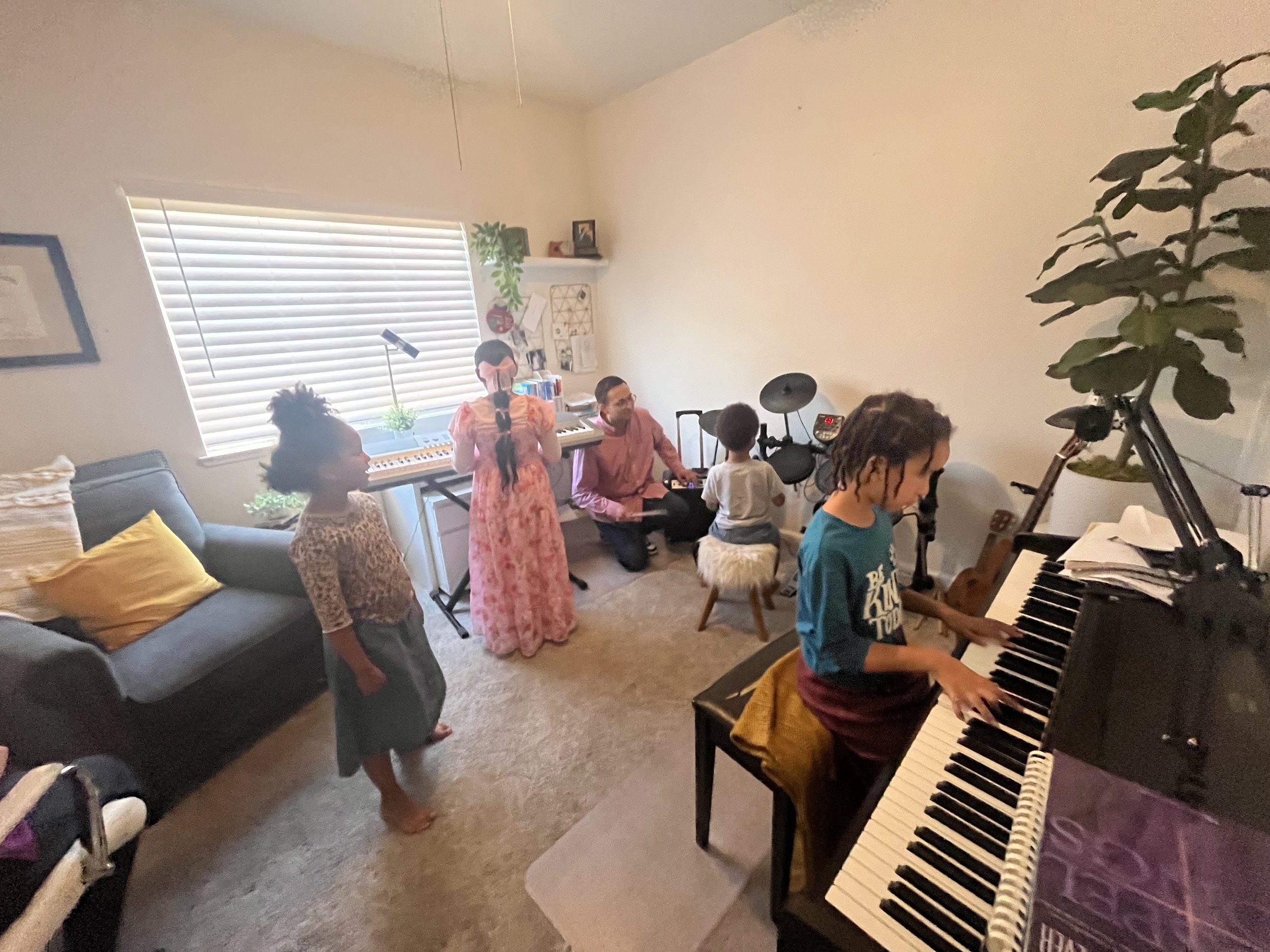
Playing With Others
Music is deeply relational.
Students grow when they learn to listen and respond to other musicians.
SBS provides opportunities for collaborative learning through activities such as:
Jam sessions
Group lessons
Workshops
Recitals
Accompaniment
Ensemble playing
Teacher-student collaboration
These experiences develop skills that private practice alone cannot fully provide.
Students learn to:
Maintain time with other musicians
Listen while playing
Adjust volume and intensity
Support a singer or soloist
Follow musical cues
Take turns
Recover from mistakes
Contribute to a shared musical result
A student who can play with others is developing musicianship that reaches beyond the lesson room.
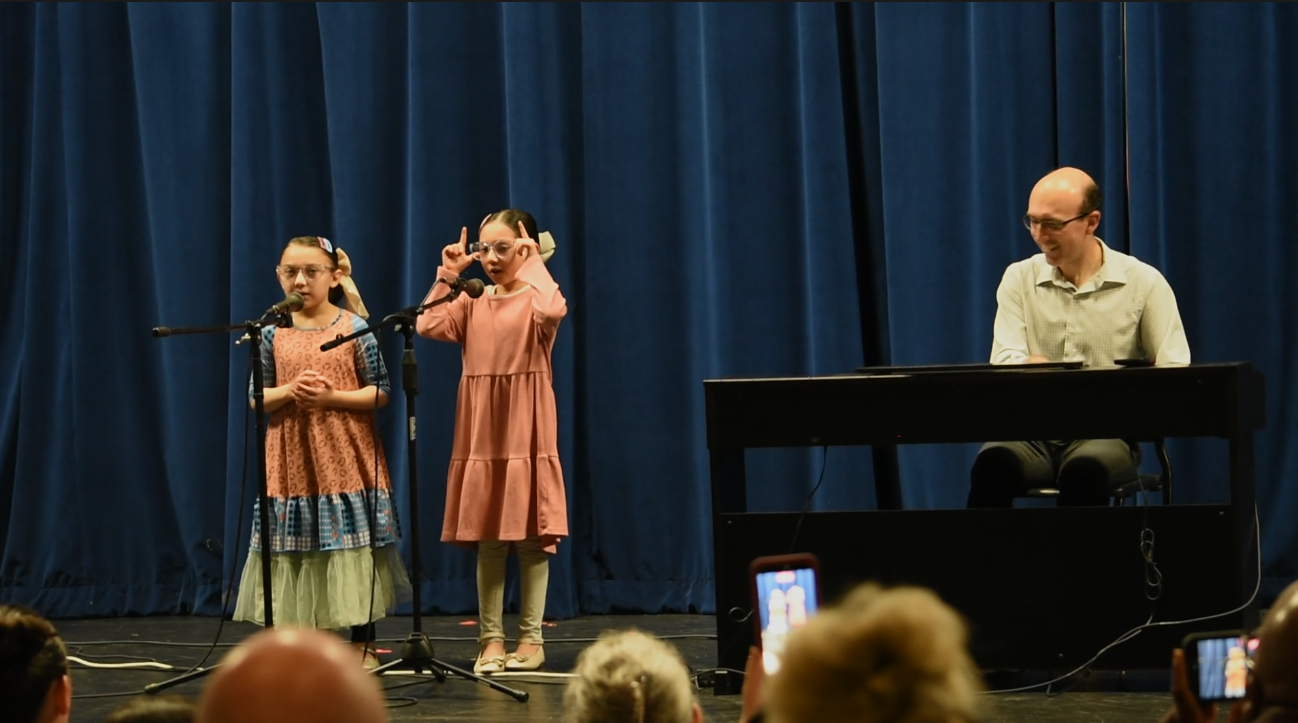
Performance & Confidence
Performance is not merely a demonstration of what has already been learned.
It is part of the learning process.
Students need opportunities to prepare, share, make mistakes, recover, and grow. These opportunities may include formal recitals, informal performances, video recordings, family sharing, group activities, and collaborative performances.
At SBS, performance should be challenging but encouraging.
The goal is not flawless execution but meaningful growth, resilience, and confident musical expression.
SBS teaches traditional music notation when it serves the student.
It is not required for every student.
We may teach traditional notation when a student’s goals include styles or opportunities that may eventually require it, including:
Classical repertoire
Formal choir, band, or orchestra participation
Advanced academic music study
Certain forms of composition or arranging
Audition or examination preparation
Notation may also be introduced when:
A student naturally connects with visual information
The movement of notes on the page strengthens understanding
A student benefits from seeing melodic direction
A student or family requests it
Basic reading would support the student’s musical goals
For some students, traditional notation will become a major part of their development.
For others, tools such as chord charts, lead sheets, lyric-and-chord sheets, fake books, Nashville Numbers, or rhythm charts may be more useful.
Some students may enjoy fulfilling, lifelong musical experiences without becoming fluent readers of standard notation.
We do not believe notation is the defining requirement of musicianship. Nor do we believe it is necessary for every person who wants to:
Enjoy music throughout life
Play for family and friends
Participate in worship
Accompany singers
Write songs
Join an informal ensemble
Improvise
Bring musical enjoyment to others
What students do need is an understanding of music itself: rhythm, melody, harmony, form, patterns, expression, and the relationships between them.
Notation is one tool for representing that understanding.
It is not a substitute for it.
Where Traditional Notation Fits
Visual Tools That Support the Student
Sound Before Sight is not opposed to visual learning.
Many students benefit from seeing music represented visually. The difference is that we choose visual tools according to the student’s needs rather than assuming every student must follow the same notation-centered path.
Depending on the student, SBS instruction may include:
Chord symbols
Lyric-and-chord sheets
Lead sheets
Fake books
Nashville Numbers
Rhythm charts
Keyboard diagrams
Fretboard diagrams
Scale maps
Written song structures
Simplified notation
Traditional staff notation
The guiding question is not:
“Does this look like a traditional music lesson?”
The guiding question is:
“Will this help this student understand, play, and use music more effectively?”
What an SBS Lesson Might Look Like
Every student brings different interests, strengths, needs, and musical goals.
An SBS lesson may include several types of learning.
A student might:
Learn a favorite song by identifying its key and chord progression
Find a melody by ear
Practice a rhythm pattern and apply it to multiple songs
Learn a scale and use it to improvise
Transpose a familiar progression into another key
Use chord inversions to create smoother movement
Map the verse, chorus, bridge, and ending of a song
Practice recovering after a mistake
Use a chord chart, lead sheet, number chart, or recording
Study traditional notation connected to classical or other goal-specific repertoire
Play alongside a teacher or another student
Prepare music for a recital or informal performance
Create an original musical idea
The lesson is structured, but it is also responsive.
We want to teach the student in front of us—not push every student through the same book, in the same sequence, at the same pace, toward the same musical destination.
The 3 Stages of SBS Development
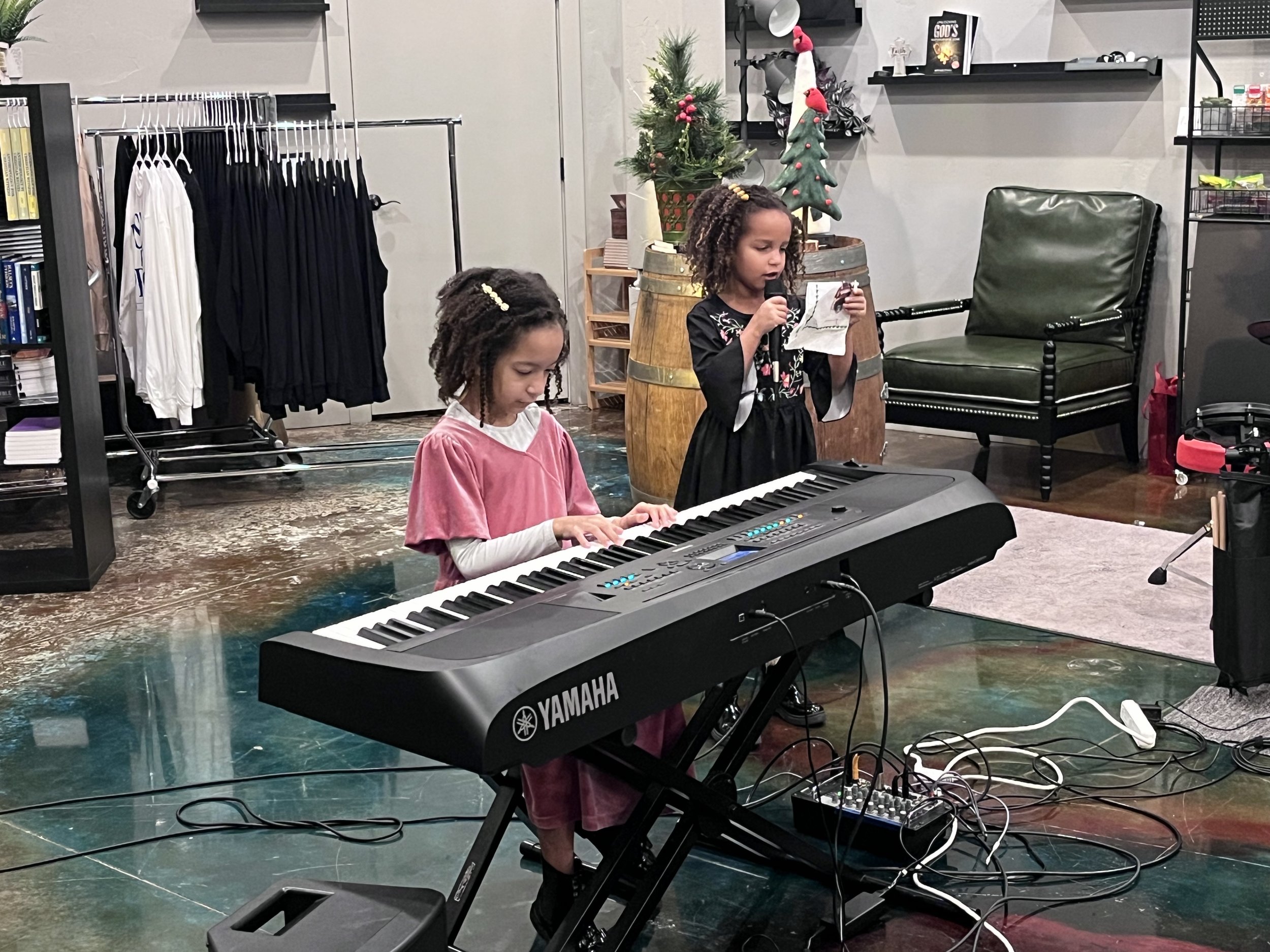
Stage 1: Foundations
Students begin by developing the basic musical tools needed to participate confidently.
Depending on the instrument and student, this stage may include:
Steady beat and basic rhythm
Instrumental or vocal technique
Listening and imitation
Basic scales and tonal patterns
Foundational chords
Simple melodies
Common song structures
Early improvisation
Playing familiar music
The goal is to help the student experience early success while developing healthy habits and a practical understanding of sound.
Stage 1 Outcome
Students can maintain a basic musical part, recognize foundational patterns, and begin playing familiar music with greater confidence and independence.
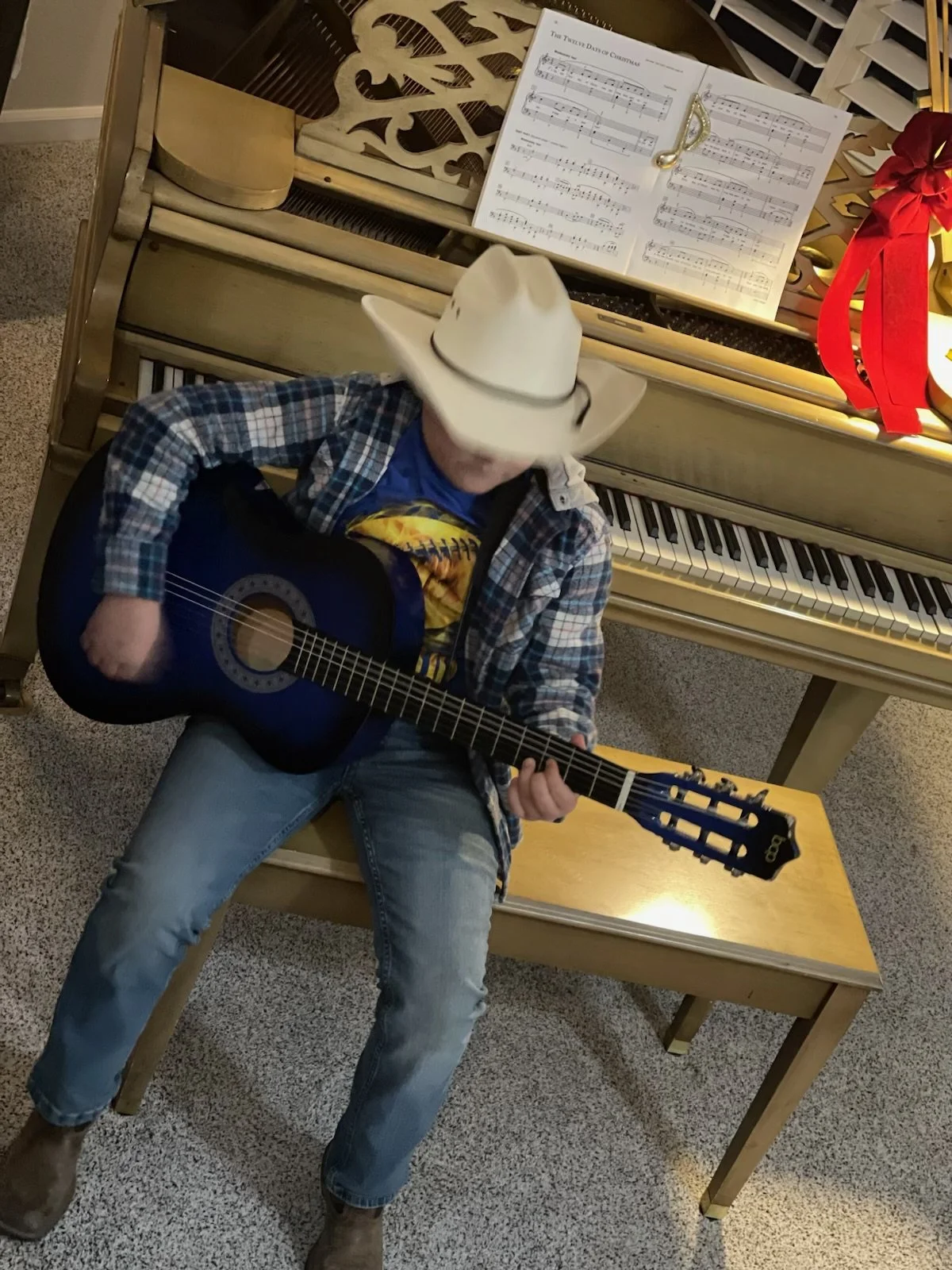
Stage 2: Freedom
Students expand their musical vocabulary and begin using their skills more flexibly.
This stage may include:
Chord progressions
Chord inversions
Transposition
Expanded rhythm and groove
Improvisation
Accompaniment
Melody and harmony relationships
Playing in multiple keys
Lead sheets, chord charts, Nashville Numbers, or notation when relevant
Playing with other musicians
Students begin moving beyond memorized instructions and develop the ability to adapt musical ideas.
Stage 2 Outcome
Students can use familiar patterns across multiple songs and keys, play with greater fluidity, and use the listening, theoretical, and visual tools most relevant to their goals.
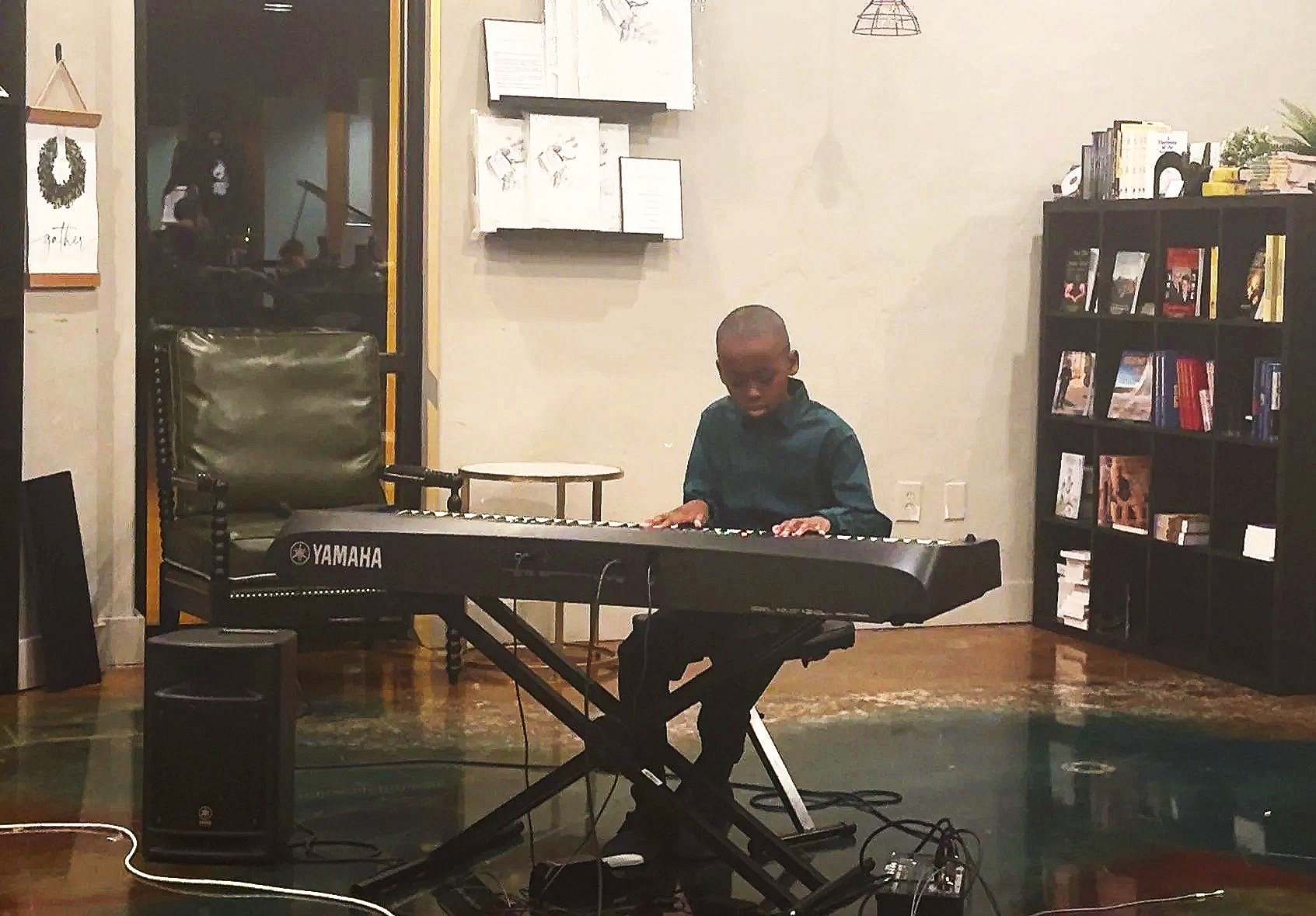
Stage 3: Expression
Students develop greater musical maturity, individuality, and expressive control.
This stage may include:
Advanced harmony
Stylistic vocabulary
More complex rhythm
Arranging
Advanced improvisation
Interpretation
Ensemble leadership
Original music
Performance preparation
Goal-specific repertoire and reading
At this stage, students increasingly make intentional artistic decisions and develop a musical identity of their own.
Stage 3 Outcome
Students can understand, adapt, perform, and create music with confidence, expression, and growing independence.
Who Benefits from the SBS Method?
The SBS method may be a strong fit for students who:
Love music but have felt discouraged by traditional lessons
Learn well through listening, movement, or experimentation
Want to play contemporary, gospel, worship, popular, or improvised styles
Want to understand chords and theory
Have a strong ear but limited reading ability
Want to play with other musicians
Want to create or improvise
Are interested in classical music but need a stronger musical foundation
Prefer personalized instruction
Want music to remain a meaningful part of life
SBS can also benefit strong music readers who want to become more flexible, creative, and confident without written music.
Frequently Asked Questions
-
When it supports the student’s goals.
We begin with listening, rhythm, technique, and practical theory. We may then introduce standard notation, lead sheets, chord charts, Nashville Numbers, or other visual tools based on the student’s learning preferences and the music they want to pursue.
Traditional notation is not required for every student.
-
No.
Music theory and structure are essential parts of the SBS method. Students learn how scales, chords, keys, rhythms, progressions, melodies, and song forms work together.
The difference is that theory is connected directly to the music students hear and play.
-
Yes.
Students interested in classical music can learn traditional notation, technique, interpretation, and appropriate repertoire. Ear training and practical theory can also help classical students recognize patterns, hear phrasing, understand harmony, memorize music, and play more expressively.
-
No.
Beginning students can develop a strong foundation from the start, while experienced students can strengthen areas such as ear training, theory, improvisation, transposition, rhythm, creativity, and collaborative playing.
-
No.
Students develop shared core competencies, but the songs, tools, pace, repertoire, and learning pathway are adapted to the student’s goals, strengths, age, instrument, and interests.
-
Sound Before Sight Studios offers instruction in piano, voice, guitar, bass, and drums. The same underlying principles—sound, rhythm, theory, patterns, creativity, and practical application—are adapted to each instrument.
The Bigger Goal
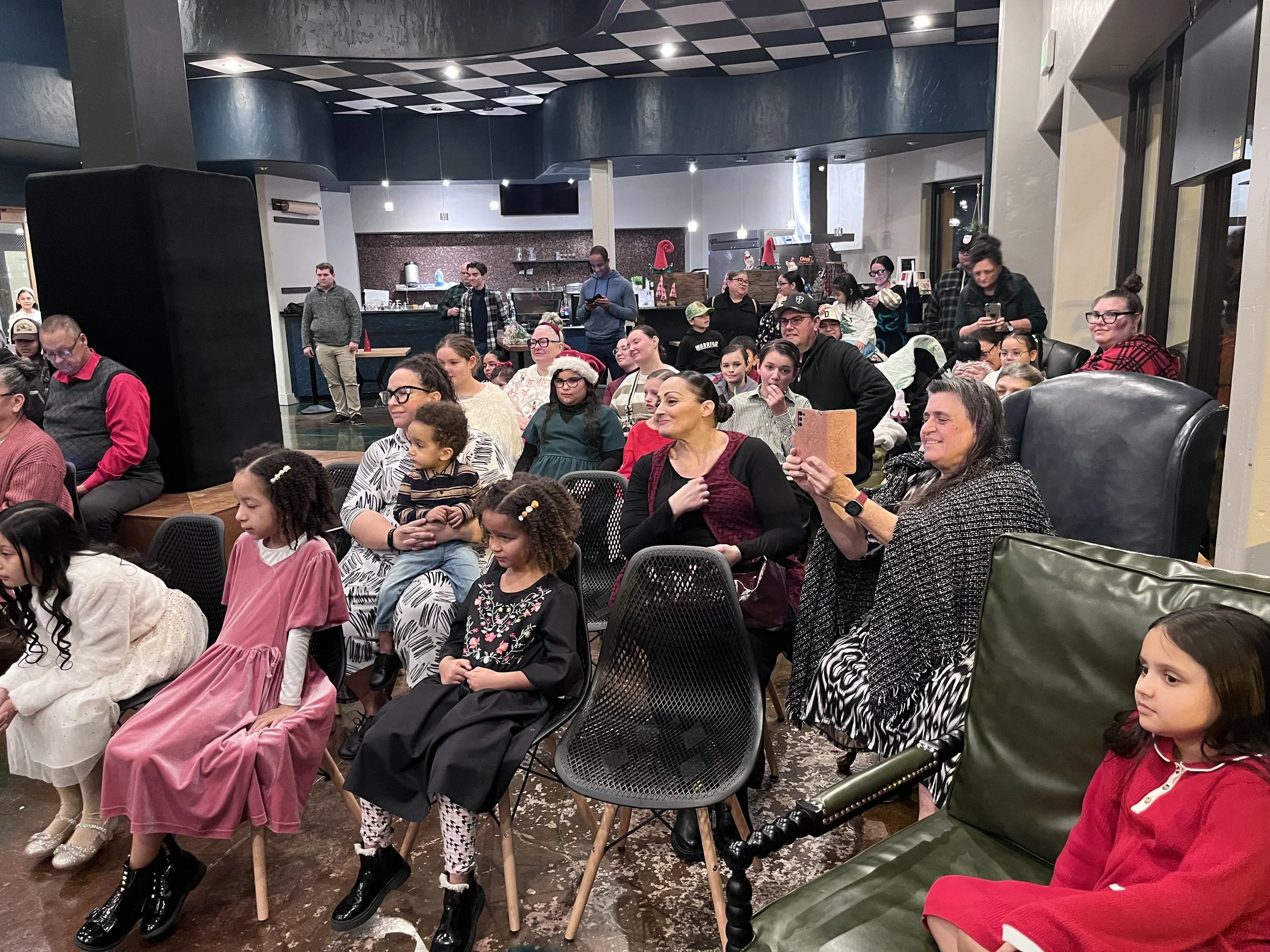
At Sound Before Sight Studios, our goal is not merely to help students complete a method book or perform a few songs.
We want to develop musicians.
A musician listens.
A musician understands patterns.
A musician feels rhythm.
A musician understands how musical ideas relate to one another.
A musician can adapt.
A musician can create.
A musician can play with others.
A musician can recover from mistakes.
A musician can express something meaningful through sound.
A musician may use traditional notation extensively, occasionally, or not at all—depending on the music that musician is equipped and inspired to make.
We believe students should learn to play what they hear—and love what they play.
When that happens, music becomes more than an assignment. It becomes a language, a skill, a joy, a means of connection, and a lifelong gift that can be shared with others.
Is the SBS Method a Good Fit for Your Student?
Every student’s musical journey is different.
A free discovery call gives us an opportunity to learn about your student’s interests, experience, learning needs, and goals—and to help you determine whether Sound Before Sight Studios is the right fit.